
Agreement Seeks to Enable Partial Use of the Otay II Border Crossing in Baja California
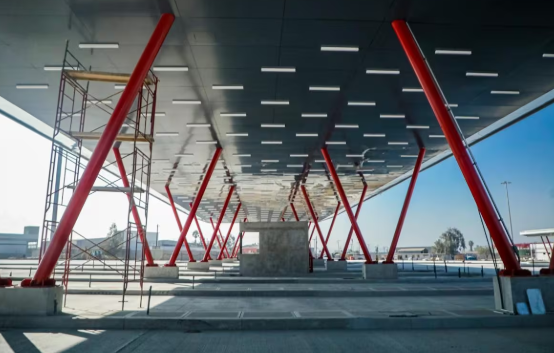
The agreement signed between the State Government and the National Customs Agency of Mexico (ANAM) aims to establish the necessary actions to enable the partial use of the Otay II border crossing on the Mexican side.
However, there is still no confirmed date for the start of operations, according to Alfonso Millán Chávez, regional delegate of the National Chamber of Freight Transportation (Canacar).
He explained that the agreement does not mean immediate operations will begin, but rather establishes coordination among state authorities, ANAM, and business organizations to complete the remaining adjustments.

“The agreement addresses the things we need to continue doing… so we can keep moving forward and, in the coming weeks, begin using it.”
He also noted that the process has been delayed due to the formal transfer of the facilities into the custody of ANAM, which requires legal and administrative reviews.
“It has taken longer because of the complex issues involved in formally transferring the facilities into ANAM’s custody.”
The Canacar representative explained that, once the infrastructure is operational, the goal is to redirect freight transportation to Otay II in order to reduce truck traffic along Bellas Artes Boulevard and ease congestion in the area.
Improvements in Signage, Services, and Infrastructure
He added that the agreement also includes improvements in signage, services, and infrastructure to facilitate the operation of the border crossing while the permanent customs project is completed.
He recalled that the permanent customs facility on the U.S. side is still under development and is expected to be completed around 2030.
Future Operating Model
Regarding the original Otay II project, Millán Chávez said the proposal to operate it as a binational toll crossing remains in place.
However, he clarified that this model will depend on the decisions made by both countries as construction progresses.
For now, authorities continue carrying out preparatory work and have not announced a date for the partial opening of the border crossing.
“The agreement covers the actions that SIDURT, Canacar, and the other parties still need to carry out so that we can continue making progress and begin using it in the coming weeks.”
Source: elimparcial