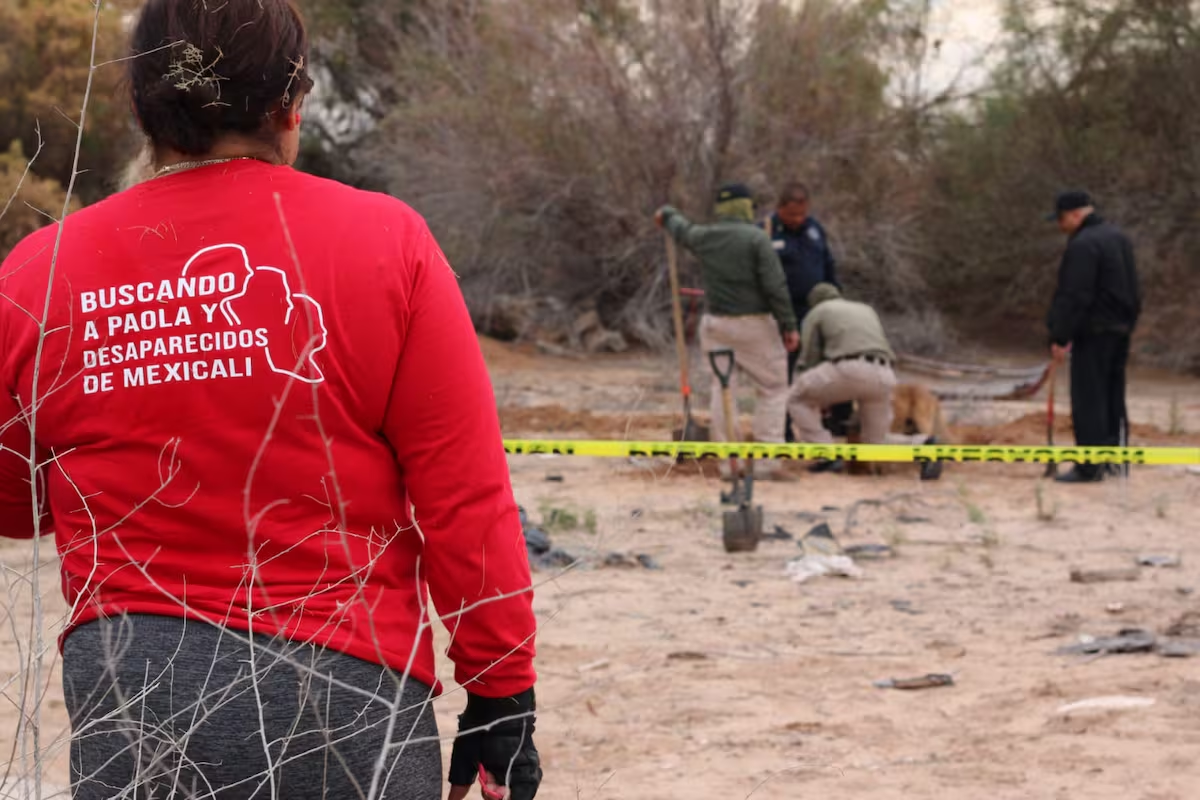

In Baja California, 5,133 people remain missing or unaccounted for, according to the National Registry of Missing and Unlocated Persons (RNPDNO), with data as of August 30, 2026.
The figure places the state among the entities with the highest number of missing persons in the country and takes on particular significance this Sunday, when the International Day of the Victims of Enforced Disappearances is commemorated.
The registry of the National Search Commission counts 8,937 people in Baja California within the historical record of cases involving disappearance, unlocated persons, and persons who have been located.
Of these, 3,804 have already been located, while the remaining 5,133 continue to be classified as missing or unlocated.

In other words, 57.44% of the cases recorded in Baja California currently correspond to people who remain missing or unlocated. The scale of the problem is also reflected in the distribution by municipality.
Tijuana accounts for the largest share
Tijuana has the highest number of recorded cases, with 6,020 people within the state’s historical records, including 3,887 men, 2,131 women, and two people whose sex is listed as undetermined in the registry.
It is followed by Mexicali, with 1,096 cases, while Ensenada has 360.
Also included are Playas de Rosarito, with 187; Tecate, with 153; San Quintín, with 49; San Felipe, with 20; as well as other cases involving people whose reference municipality has not been determined.
The concentration of cases in Tijuana and Mexicali means that both municipalities account for a substantial portion of the state’s records.
Young people among the most affected
One of the most notable figures in the registry is the age of the missing persons.
70.28% of cases involving missing and unlocated persons in Baja California correspond to people who were between 15 and 44 years old.
Among women, the concentration is even more pronounced among younger people, as 59% of missing and unlocated women were between 15 and 34 years old.
In addition, as of May 16, 2026, the registry identified 810 people who were under 18 years old at the time of their disappearance. Of these, girls represented 51.39%.
There are also 166 cases in which no reference age has been recorded.
Where do the data come from?
The National Registry of Missing and Unlocated Persons compiles information provided by different authorities as well as private individuals.
According to the available information, 64.10% of the records come from prosecutors’ offices and attorneys general’s offices, while 31% corresponds to national and local search commissions.
The remainder comes from other authorities, at 1.12%, and from individuals who are not authorities, at 3.78%.
The figure of 5,133 people refers exclusively to those who remain classified as missing or unlocated; it does not include people who have already been found, whether alive or deceased.
Where are they?
August 30 was established by the United Nations as the International Day of the Victims of Enforced Disappearances, a date intended to raise awareness of victims and reaffirm families’ right to know the truth about what happened to their loved ones.
In 2026, it also marks 20 years since the adoption of the International Convention for the Protection of All Persons from Enforced Disappearance. This year, the UN has placed victims and their rights to truth, justice, and reparation at the center of the commemoration.
In Baja California, behind the 5,133 people who remain unlocated are an equal number of stories and families still waiting for answers about what happened to their loved ones.
Source: elimparcial