I think of Rosarito with great nostalgia. Rosarito nestled in my soul one Sunday morning over a breakfast of “machaca” in a cozy restaurant, where the wood and trophies tell stories of the countryside, and a cold wind whispered memories only understood by those who once left with a full heart.
A Sunday in the North
I remember the long walks along Benito Juárez Boulevard, discovering Baja Californian cuisine with every step I took—complete with its asada tacos or burritos—its nightlife, and the occasional stall displaying curiosities, antiques, or discounts that incite immediate purchases. How can I forget that—in a capitalist rush—I bought and tried my first Dairy Queen on a night that was more freezing than hot, because Baja California is like that.
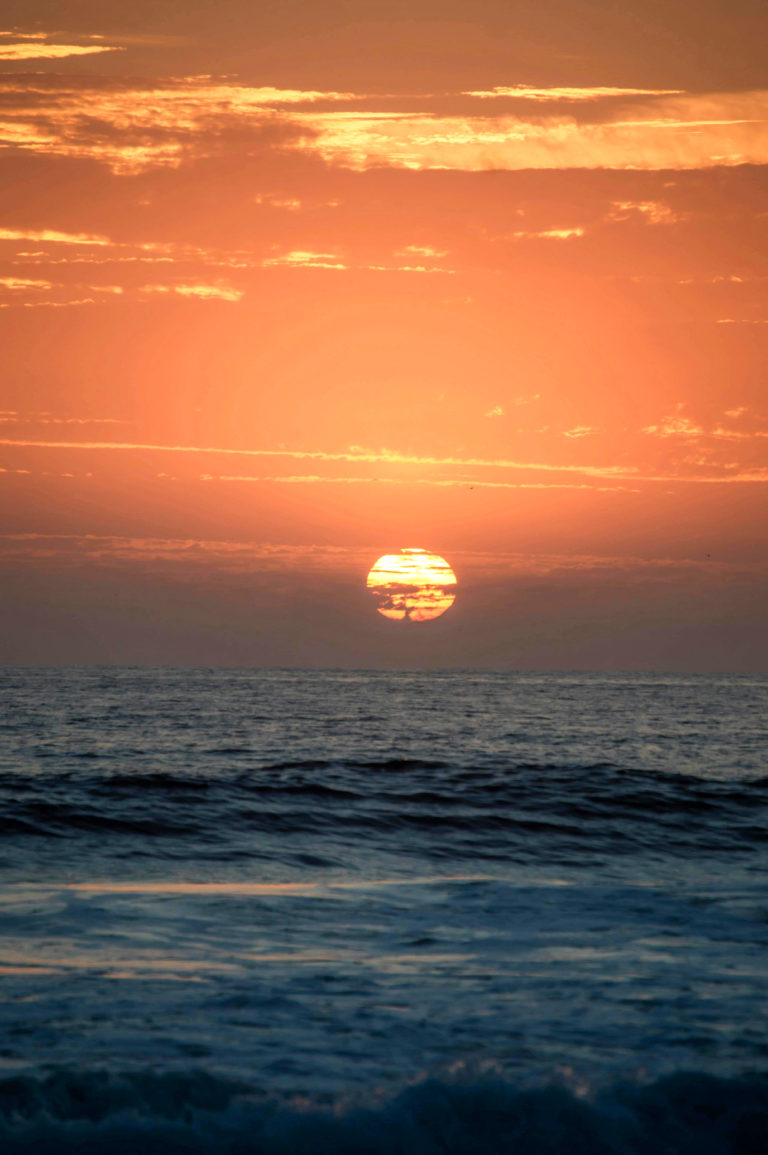
A siren emanating an icy breeze. Where beaches don’t let themselves be embraced easily, and a sea of restless souls welcomes you, with waves roaring with temper and icy water that shakes the sleep of the lukewarm and the many others who light a bonfire at sunset by the sea to watch the sun set over the horizon. Perhaps, in the end, this was what awakened my lethargic self, whose habits, Monday through Friday, consist of commuting from home to the office and back. Perhaps that’s why I remember it so fondly, because traveling always involves breaking the monotony and breathing in the air of unknown landscapes.

Amid bonfires, horses, and sailboats on the sea
And on this trip, I realized that going to the beach is polysemic. It’s not just about slathering sunscreen on your body and lying in the sun, wading into the sea until the sand becomes irritating, rinsing, getting out, and starting over. Because beaches never offer the same experience.
It might seem obvious, since not only is the color of the sea the same on every beach; some have crystal-clear, turquoise waters and others a deep blue. The type of sand also varies. But as the sunset of that Sunday set on the beaches of Rosarito, as couples galloped by or groups of friends laughed around their campfires, to the rhythm of the tuba, trombone, and tambora, I was deeply grateful to realize the magic of each beach.
Amidst ponies, carts of corn and churros, the music of a band, coconuts, mangoes, cantaritos, clamatos, and ceviches, I lost myself in the crowd on the beach until I reached the shore, where I observed the sea carrying secrets of the ocean that my astonished gaze discovered: the sailboats of the sea, blue voyagers who never seek a harbor and who left their last breath in the sand.
The Local Essence of Rosarito
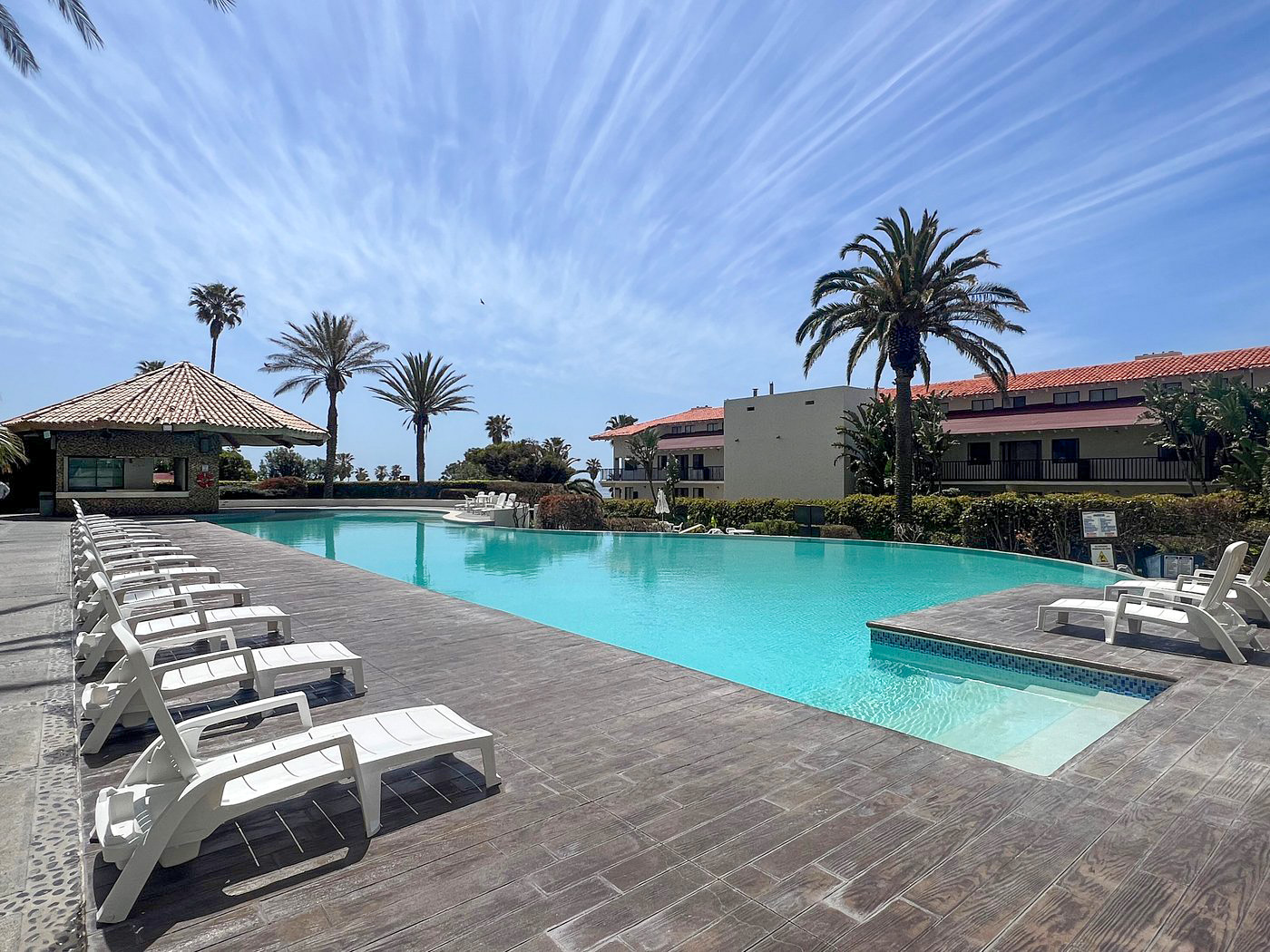
On other days, I explored the urban beauty repeatedly during my stay and arrived at what seemed to be the heart of the city. In addition to the scenic beauty of its beaches, two sites stand out: the Rosarito Beach Hotel, whose walls hold great stories, and the Handicraft Market.
With a century of history, the Rosarito Beach Hotel began as a modest 10-room resort and was promoted as the sensation of the season in San Diego, California, due to its proximity and its activities such as fishing, hunting, beaches, as well as its alcohol, precisely at a time when Prohibition was still in effect in the United States. The resort became a destination for Hollywood’s elite and celebrities, hosting figures such as Marilyn Monroe, Frank Sinatra, Orson Welles, Gregory Peck, and Rita Hayworth. Perhaps that’s why it now has a famous arch at its entrance with the phrase: “Through this door pass the most beautiful women in the world.”
Just steps from the hotel is the Handicraft Market, where color, flavor, and tradition blend leisurely. Textiles embroidered with landscapes, woven bracelets, clay pots, leather goods, and children’s guayaberas framed the already beautiful Rosarito landscape, as well as the voices of local vendors inviting tourists to try Rosarito’s mixology.
Puerto Nuevo
I couldn’t leave without trying the lobster from Puerto Nuevo, a 20-minute drive from Rosarito. Crispy on the outside, juicy on the inside. It’s served golden brown with beans, red rice, and freshly made flour tortillas. It was born in the 1950s, when the women of the town began preparing it for fishermen and tourists. Today, it’s a culinary symbol of Baja California, where the sea and tradition meet in every bite.
Traveling alone and on your own time allows you to explore places like Rosarito, which wasn’t just a stop on the map; it was a meeting with myself in front of a rebellious and deep sea. And in that encounter, I understood that some places are not visited: they remain.
Source: mexicorutamagica